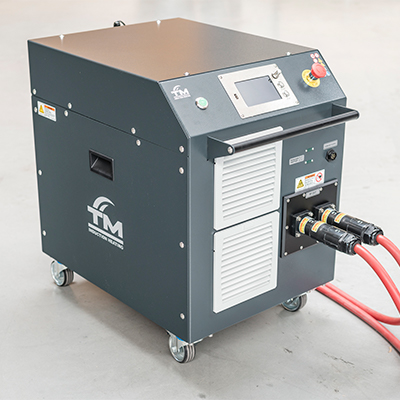
Induction heaters
Induction heating instead of open flame and oil baths
Induction heaters allow fast, controlled and energy-efficient heating of bearings and other annular metal components before they are mounted on a shaft. The process relies on electromagnetic induction, which generates heat directly inside the workpiece. Built-in temperature sensors and timers ensure the specified tolerances are reached accurately, reducing the risk of structural damage to components.
Modern units feature automatic demagnetisation, which removes residual magnetism after the cycle and prevents contamination with metal particles. An ergonomic design with removable cores makes it easy to handle workpieces of different sizes, from small seal rings to massive industrial bearings. Induction heating substantially improves occupational safety, as it removes the need for open flames or hot oil baths.
Product range
- bench units for smaller bearings and rings,
- mobile units on castors for heavier workpieces,
- vertical versions for large bearings,
- units with a display and stored programmes,
- temperature probes and magnetic sensors,
- interchangeable cores and support yokes,
- protective gloves and rests,
- equipment for automatic demagnetisation.
Controlled heating with temperature regulation
During the cycle a temperature probe is attached directly to the inner ring of the bearing, and the controller adjusts the power so that the workpiece reaches the set temperature without exceeding it. In practice the bearing is heated roughly 80 to 90 °C above the shaft temperature, and 120 °C should as a rule not be exceeded.
A controlled heating curve prevents local overheating, which lowers the hardness of hardened raceways and shortens bearing life. The evenly expanded inner ring is then fitted onto the shaft without force, in a matter of seconds and without hammer blows.
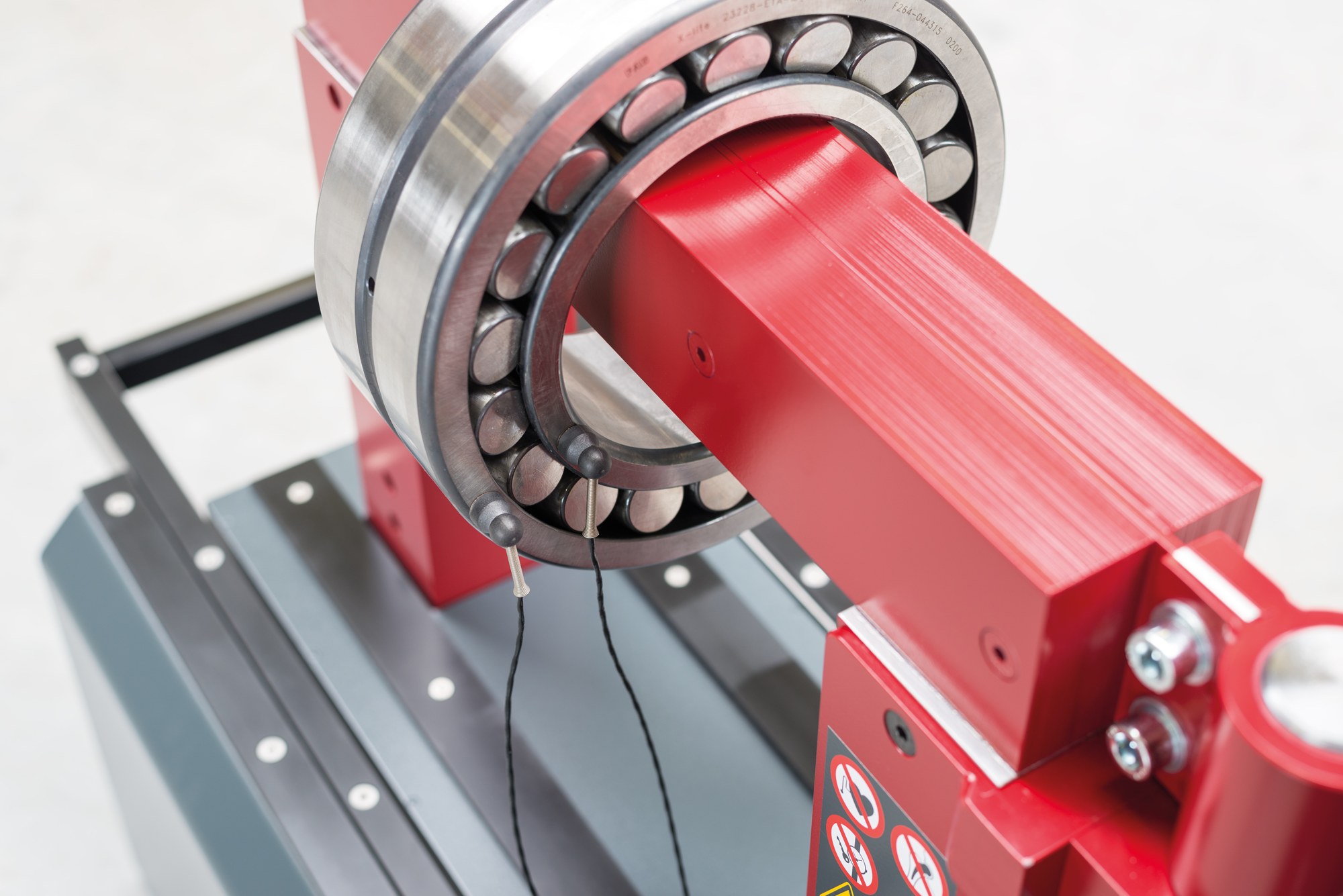
Advantages of induction heating
- heat generated directly in the workpiece, no open flame,
- controlled temperature and a repeatable procedure,
- automatic demagnetisation after the cycle,
- far shorter heating times than an oil bath,
- a clean working environment without oil or fumes,
- greater safety for maintenance staff.
Equipment and application